
One of the first questions people ask before renting an RV is simple and important: how much does an RV trip actually cost?
The honest answer is that it depends on how far you go, how long you travel, and how you like to travel. The good news is that RV trips are very flexible and can be surprisingly affordable compared to flying and staying in hotels, especially for families or groups.
This guide breaks down the real costs of an RV trip so you can plan your budget with confidence and avoid surprises along the way.
The Big Picture: What You Are Really Paying For
When you rent an RV, your trip cost usually falls into these categories:
- RV rental cost
- Fuel
- Campgrounds or RV parks
- Food
- Activities and entertainment
- Optional extras and supplies
Let’s walk through each one.
1. RV Rental Cost
Your RV rental is the biggest single expense of the trip.
The price depends on:
- The size and type of RV
- The time of year
- How long you rent it
- Demand during holidays or peak seasons
In general:
- Smaller RVs cost less per night
- Larger RVs with more sleeping space cost more per night
- Longer rentals often get better nightly rates
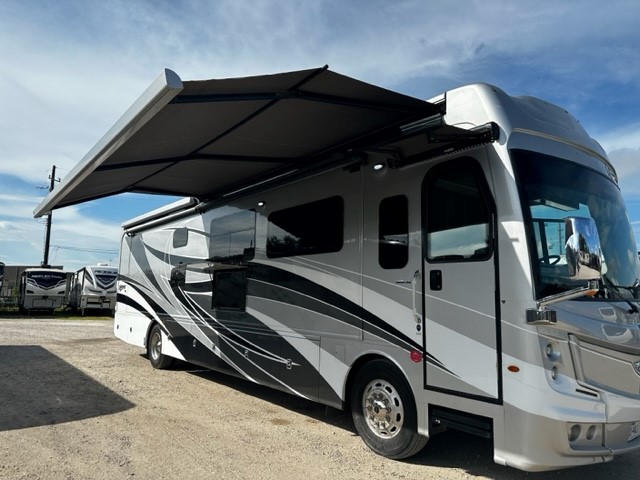
When you rent from Roaming Bears RV, you get a clean, well-maintained RV and a full walkthrough, which saves you from a lot of costly mistakes and stress on the road.
Budget tip: If your dates are flexible, traveling in shoulder seasons can save you a noticeable amount.
2. Fuel Costs
RVs use more fuel than cars. How much you spend depends on:
- How far you drive
- The size of the RV
- Current fuel prices
- How fast you drive and how much weight you carry
A simple way to estimate fuel cost:
- Take your total trip miles
- Divide by the RV’s average miles per gallon
- Multiply by the current fuel price
Example:
If you drive 800 miles total and the RV gets 10 miles per gallon, you will use about 80 gallons of fuel.
Budget tip: Shorter routes, fewer destination jumps, and slower driving all help reduce fuel costs.
3. Campgrounds and RV Parks
Campground prices vary widely based on:
- Location
- Amenities
- Time of year
Typical ranges:
- Basic campsites: lower cost
- State parks: moderate cost
- Private RV resorts: higher cost with more amenities
You can mix and match:
- A few nicer parks with pools and full hookups
- Some simpler parks for overnight stops
Budget tip: Staying multiple nights in one place saves both campground fees and fuel.
4. Food Costs
One of the biggest advantages of RV travel is saving money on food.
Instead of eating out every meal, you can:
- Cook breakfast and dinner in the RV
- Pack lunches for day trips
- Bring snacks and drinks
Your food cost will look a lot like your normal grocery budget, plus maybe a few meals out at local restaurants.
Budget tip: Plan meals ahead of time and shop before you leave to avoid expensive convenience stores.
5. Activities and Entertainment
This part of the budget is completely flexible.
Your activity costs might include:
- Park entrance fees
- Tours or attractions
- Rentals like bikes, kayaks, or boats
- Museums or local experiences
Some RV trips are very low-cost and focused on nature and hiking. Others include more paid attractions.
Budget tip: Balance free activities with a few paid highlights.
6. Optional Extras and Supplies
Do not forget about the small things:
- Camp chairs
- Firewood
- Ice
- Snacks
- Souvenirs
- Extra supplies
These usually do not break the budget, but they add up.
Sample Budgets: What an RV Trip Might Cost
Here are some very rough examples to help you picture the total cost.
Weekend Trip (3 to 4 days)
- RV rental: moderate
- Fuel: low to moderate
- Campgrounds: a few nights
- Food: mostly groceries
- Activities: minimal
This type of trip is often comparable to, or cheaper than, a hotel stay for a family.
One-Week Trip
- RV rental: higher total, better nightly rate
- Fuel: moderate
- Campgrounds: 6 to 7 nights
- Food: mostly groceries, a few meals out
- Activities: some paid, some free
For families or groups, this often costs much less per person than flying and staying in hotels.
RV Trip vs Hotel and Flights
When you compare:
- Multiple plane tickets
- Hotel rooms
- Rental cars
- Eating out every meal
RV travel often wins, especially for:
- Families
- Groups of friends
- Longer trips
- Trips with multiple stops
Plus, you get the flexibility and comfort of having your own space.
How to Keep Your RV Trip Affordable
- Travel shorter distances
- Stay longer in fewer places
- Cook most meals in the RV
- Travel outside peak seasons
- Choose the right size RV for your group
- Plan your route and campgrounds in advance
Why Renting from Roaming Bears RV Helps You Control Costs
Roaming Bears RV helps first-time renters avoid expensive mistakes by:
- Matching you with the right RV
- Giving a full walkthrough
- Helping you plan realistic trips
- Making sure you start your trip confident and prepared
That alone can save you money, stress, and time.
Final Thoughts
An RV trip does not have to be expensive to be amazing. With smart planning and a realistic itinerary, you can build a trip that fits your budget and gives you more freedom, more comfort, and more memories than many traditional vacations.
The best part is that you control the biggest cost factors, which means you control how affordable your trip can be.
0 Comment